Notes: Chapter 01

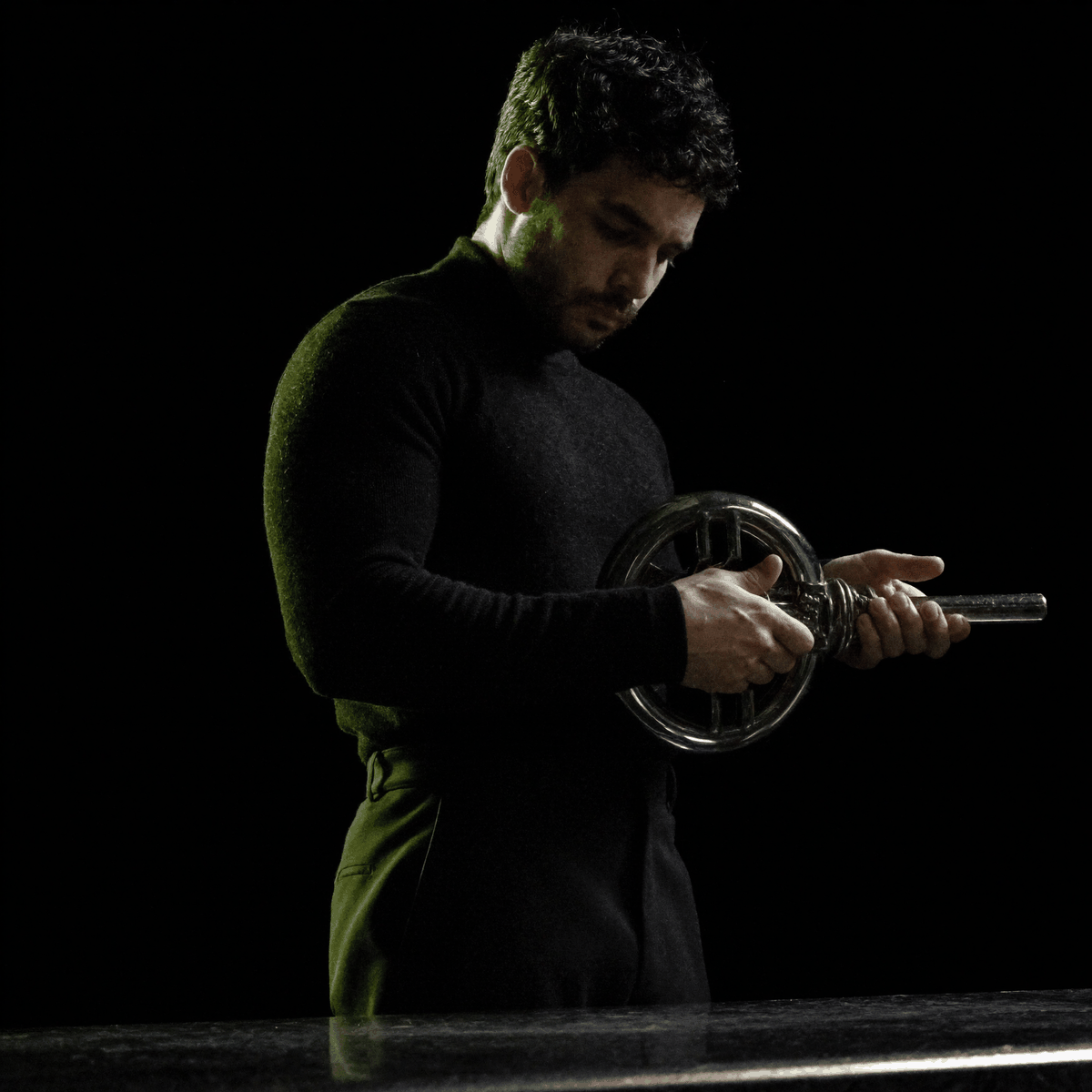
    Kassem Kazal holds a polished chrome key in both hands in a dark studio

    Own Your Website

    Renting, owning, and why the difference decides everything.

    Renting a website means you own your words and photos but cannot take the working site with you, as on Squarespace and Wix. Owning one means you hold the code and the database, with a playbook for handing it to any developer.

    ← All Notes

    01

    Websites vs web apps

    What I build is closer to a web app that functions as a website. A yoga studio I built has the full booking platform, credits, member system, all created inside her site, custom built. Once it is coded, it is a finished product. And the client gets the code, the database, and a playbook for handing it to any developer. Most people building AI coded sites do not do that part. I make sure of it.

    Watch the short

    02

    Your Squarespace site is rented

    Squarespace at its core is a DIY tool for getting a business off the ground on no budget. Nothing wrong with that. The problem is agencies selling it as a finished website. You are renting. Stop paying the subscription and your website is switched off, gone. So if you are buying a website from someone who is renting the space it sits on, what does that make you?

    Watch the short

    03

    Never pay an agency for a Squarespace build

    If you decide to leave Squarespace, you cannot take the working website with you. That is the whole problem. An agency should not be selling websites as a service on Squarespace or Wix. I have already heard the horror stories: owners who wanted to walk away from an underdelivering agency and lost the website with it. It is a trap.

    Watch the short

    04

    What a maintenance fee should buy

    That monthly maintenance fee does not benefit you, it benefits the agency. Much of it relies on fear: pay, or something might break. A monthly maintenance fee should buy you something specific. Ask what it buys. They know you do not know any better, and that is exactly what they are counting on.

    Watch the short

    05

    You should not pay monthly for your own site

    A lot of developers build the site specifically so the monthly maintenance upsell has to exist. Thirty minutes of plugin updates, a couple of tweaks, a couple hundred a month. It works because you cannot safely go into your own back end, so the reliance is permanent. The developer is not complaining.

    Watch the short

    06

    WordPress was never a website tool

    WordPress launched in 2003 so bloggers could post. Businesses bolted plugins onto it, and now it is a Prius with a Lamborghini engine: faster, sure, but forever in the shop. Buy a theme, use a fraction of it, stack plugins with subscriptions, update them monthly, pay the developer again. It was built for blogging, not for running a business website, and most owners I meet are too scared to go into the back end of a website they own, in case they break it.

    Watch the short

    07

    Another WordPress merchant

    I see the showcase all the time: a scroll based animation demanding a connection your customers do not have. Does design matter? To an extent. But the most important thing about your website is the outcome. If it performs badly and looks great, you have done nothing different from the agencies I call out. And show me the mobile view first.

    Watch the short

    08

    The third option

    You usually get two mediocre choices. WordPress: customisable but breaking constantly unless a dev is on retainer. Or the DIY platforms: easy but generic, and they do not do the selling job. The third option is a fully custom coded site with a back end that is easy for an owner to run, with tools made for them. That is where AI coding has taken it: what used to take months and tens of thousands now takes a fraction of the time, to spec, no template.

    Watch the short

    09

    The platform tier list

    Wix and Squarespace, D tier: you own your words and photos, but you cannot take the working site with you. WordPress, C tier: you technically own it, but the maintenance, the headaches, the fact it is a blogging platform at heart. AI coded builds, S tier: you build the code, you own the code, no plugin updates to pay someone for; you pay for hosting.

    Watch the short

    10

    Three things your website cannot miss

    One, speed: a purpose built site carries no junk to slow it. Two, a clear funnel: landing page to booking with the least friction possible. Three, mobile first: a squashed desktop layout on a phone gets in the way of the booking. And a fourth for free: AI search. Millions ask their AI for recommendations now. The sites that get named are the ones structured to be read.

    Watch the short

    11

    Mobile is where bookings live

    For a venue the most important thing is bookings, and most bookings start on a phone. If the mobile view buries the action, you are missing bookings. When I redesign a site, one outcome drives it: a clear action visible for the user every time, on every page.

    Watch the short

    12

    Meta ads cannot save a broken site

    Businesses think they need more promotion, and they spend thousands finding out the ads were not the problem. You can send a flood of clicks to a landing page that converts none of them. The ads get people to the door; nobody is entering the house. The website does the heavy lifting. It is the last piece of the funnel that actually converts, so fix the foundation before you pay for traffic.

    Watch the short

    Quick answers

    Do I own my Squarespace website?
    You own your words and photos. You can't take the working website with you. If you stop paying, the site goes offline, and only part of it can be exported.
    Are monthly website maintenance fees worth it?
    In Kass's view they mostly benefit the agency, not the owner. A lot of sites are built so the maintenance upsell has to exist, because you cannot safely go into your own back end.
    What is better than WordPress or a DIY builder for a business website?
    The third option: a fully custom coded site with a back end that is easy for an owner to run. You build the code and you own the code, with no platform subscription.

    Other Chapters

    Want the same thinking applied to your site?

    Thirty minutes.